Why Is Rehabilitation Just as Important as a Prosthetic Leg? Here's the Explanation
31 Juli 2026·Ibrahim Medical2 menit baca
Why Is Rehabilitation Just as Important as a Prosthetic Leg? Here's the Explanation
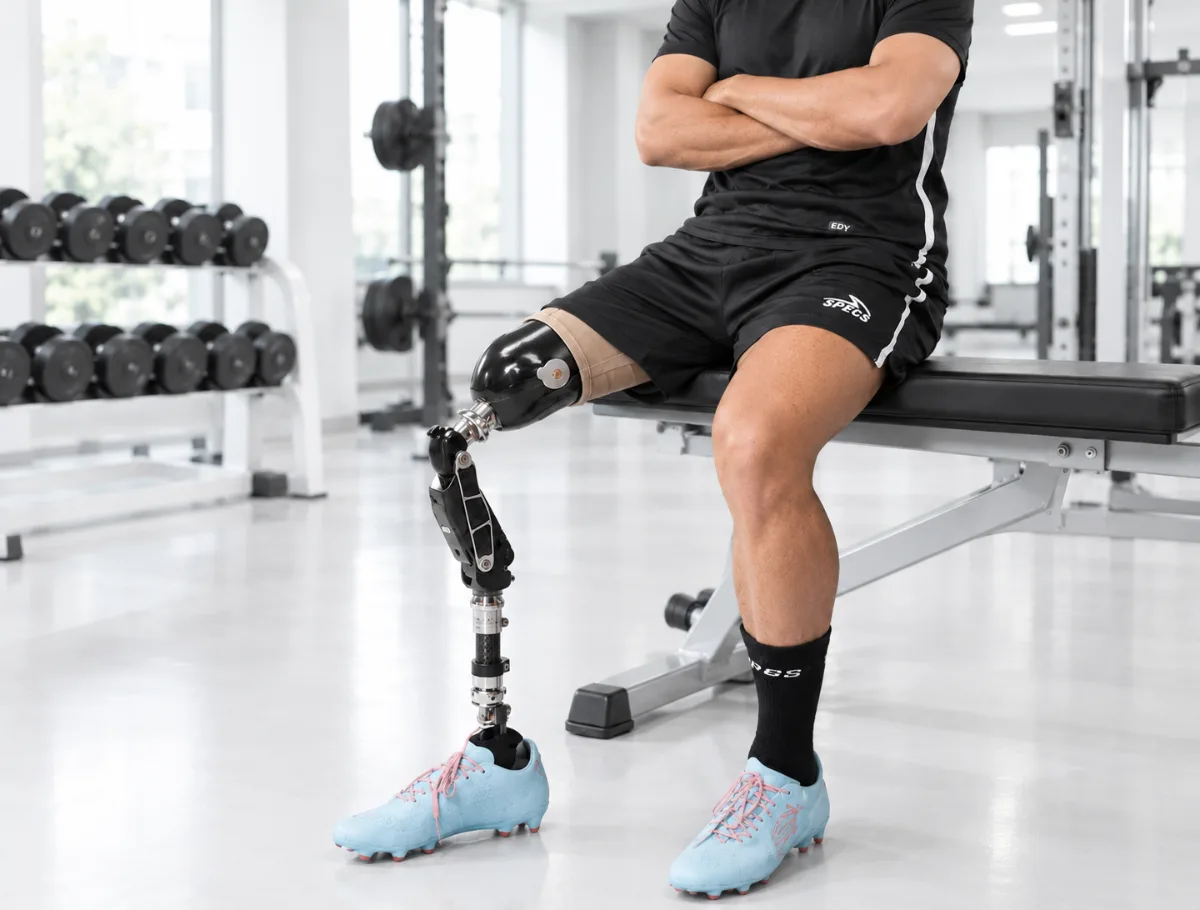
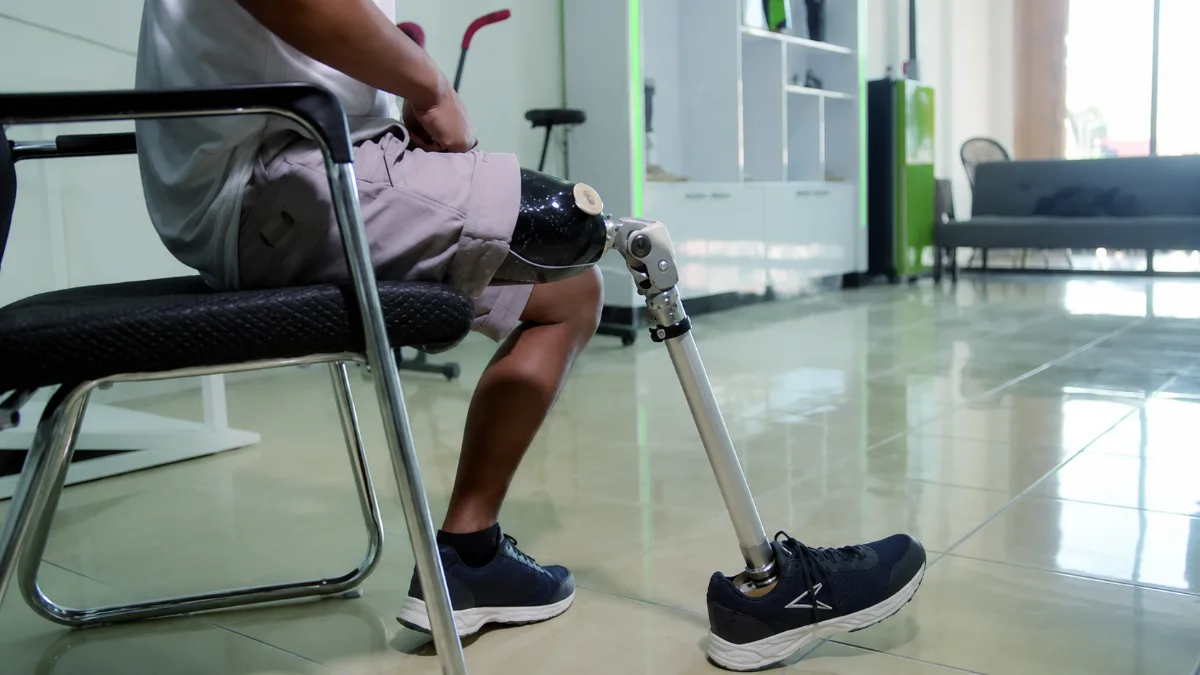
Losing a limb is a major life change. But the recovery process doesn't stop once a prosthetic leg or arm is fitted. One of the factors that most determines a prosthesis user's success is rehabilitation.
Many people assume that once a prosthesis is finished being fitted, a patient can immediately go back to normal activities. In reality, the body needs time to adapt, train its balance, strengthen its muscles, and get used to a new walking pattern.
What Is Prosthetic Rehabilitation?
Prosthetic rehabilitation is a series of processes that help prosthetic leg or arm users use their device safely, comfortably, and optimally.
A rehabilitation program generally includes:
- Balance training.
- Gradual gait (walking) training.
- Muscle strengthening.
- Education on using and maintaining the prosthesis.
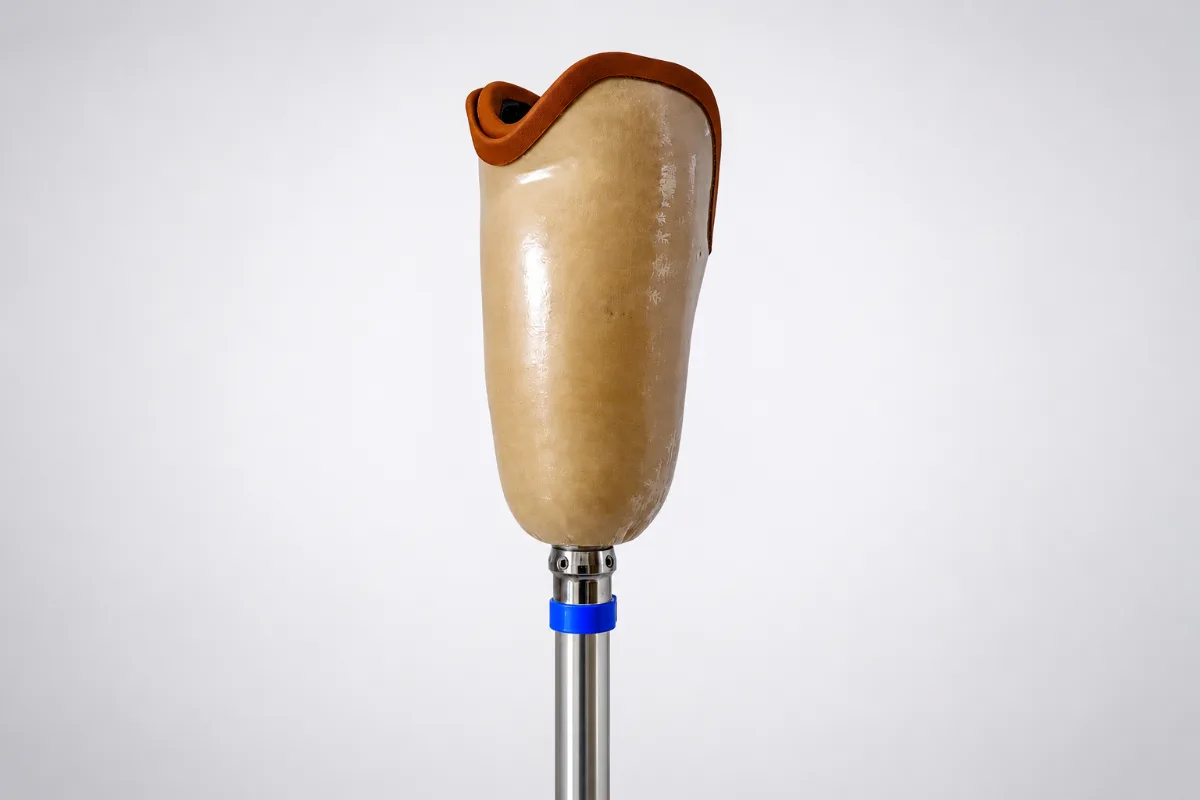
- Evaluation of socket comfort and prosthetic components.
The end goal isn't just to help the patient walk, but also to improve independence and quality of life.
Why Is Rehabilitation So Important?
1. Helps Adaptation to the Prosthesis
Every prosthesis user needs time to get to know their new device. Rehabilitation helps the body adapt so that using the prosthesis feels more natural.
2. Reduces the Risk of Injury
Using a prosthesis without the correct walking technique can cause back, knee, and hip pain, as well as posture problems. Proper training helps reduce this risk.
3. Boosts Confidence
The ability to walk stably and independently can have a positive impact on a patient's psychological condition. Many prosthesis users return to work, exercise, and even go about their daily activities with more confidence after undergoing rehabilitation.
4. Maximizes Prosthesis Function
A quality prosthesis will give the best results when used with the correct technique. Rehabilitation helps patients make the most of every function their prosthesis offers.
Rehabilitation Isn't Just for New Patients
Even long-time prosthetic leg users are still advised to undergo periodic evaluation. Over time, the shape of the residual limb can change, requiring socket adjustments or additional training to keep the prosthesis comfortable to use.
The Role of the Prosthetics and Orthotics Team
Successful rehabilitation involves collaboration among various professionals — from Prosthetists & Orthotists, rehabilitation medicine physicians, and physiotherapists, to the patient's family. A comprehensive approach helps patients achieve the best functional ability for their needs.
Conclusion
Using a prosthetic leg isn't the end of the recovery process — it's the beginning of a journey toward independence. Rehabilitation is an essential part of helping patients adapt, improve their mobility, and gain a better quality of life.
At Ibrahim Medical, our service doesn't only focus on making prostheses, but also on providing guidance so that every patient can use their assistive device optimally in daily activities.
References
World Health Organization (WHO). WHO Standards for Prosthetics and Orthotics. 2017.
World Health Organization (WHO). Strengthening Prosthetics and Orthotics Services. 2023.
World Health Organization (WHO). Rehabilitation.