Is a more expensive prosthetic always better?
21 Oktober 2026·Ibrahim Medical4 menit baca
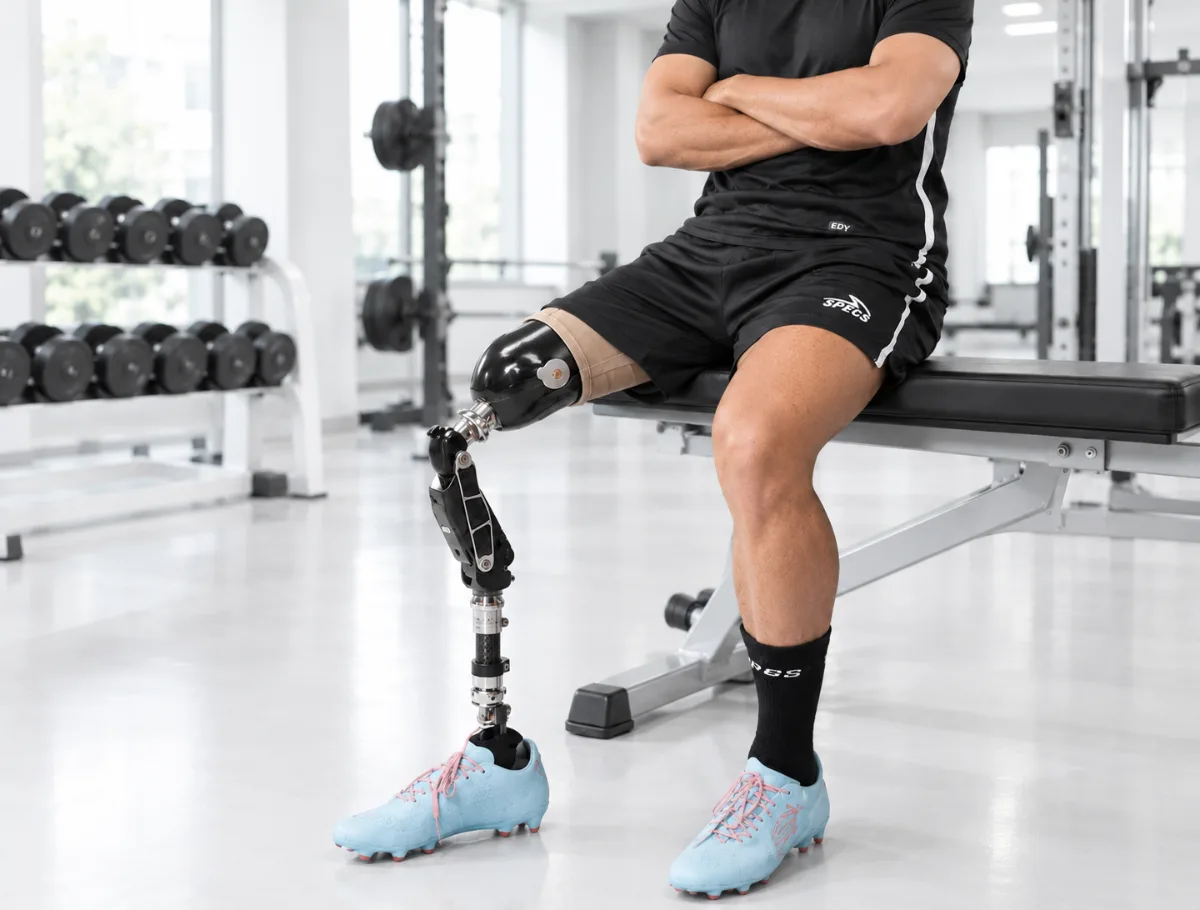
Choosing a prosthetic is not only about price, but also about comfort, function, and daily needs. Today, various types of prosthetic limbs are available with diverse technologies and components, ranging from simple mechanical systems to knee joints with hydraulic and electronic technologies.
The difference in technology makes the price of prosthetic legs vary. However, are more expensive prosthetic legs always the best choice?
The answer, not always. The right prosthetic leg is a device that suits the user's physical condition, mobility needs, and rehabilitation goals.
What Makes the Price of Fake Legs Different?
The price of prosthetic legs can be affected by several factors. Understanding thesefactors can help you recognize the difference between one type of prosthesis and another.
1. Component Technology
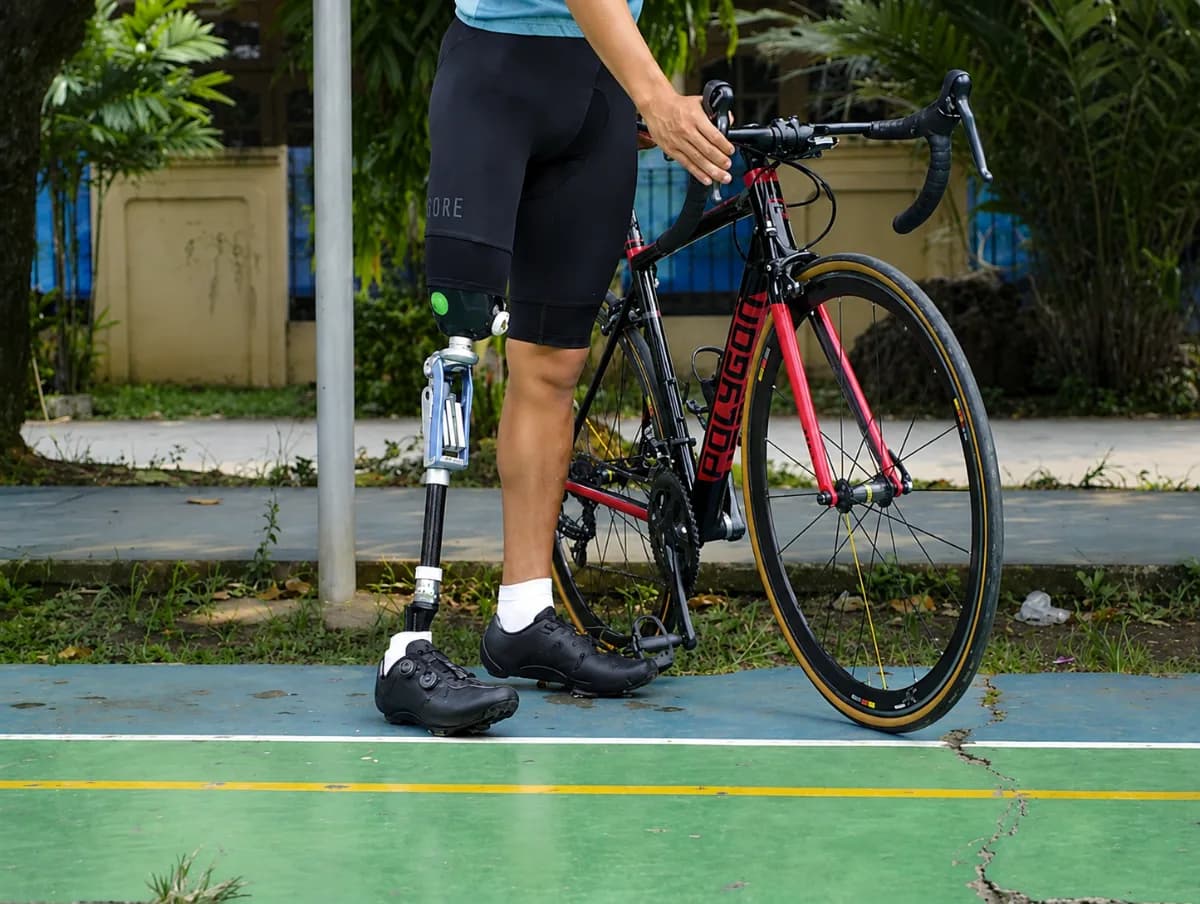
The prosthetic leg components have different working mechanisms. Prosthetic knee joints, for example, are available in mechanical, pneumatic, hydraulic, to microprocessor-based electronic systems. Each technology has its own characteristics, functions, and level of complexity.
However, more advanced technology does not automatically become the best choice for all users. The selection needs to consider the ability, activity needs, and level of user control as it proceeds.
2. Materials Used
The material also affects the characteristics of the prosthetic leg. Some components use lightweight and strong materials, such as carbon fiber, that can support specific mobility needs.
Material selection needs to consider the balance between weight, strength, durability, and functionality required by the user.
3. Socket Design and Conformity
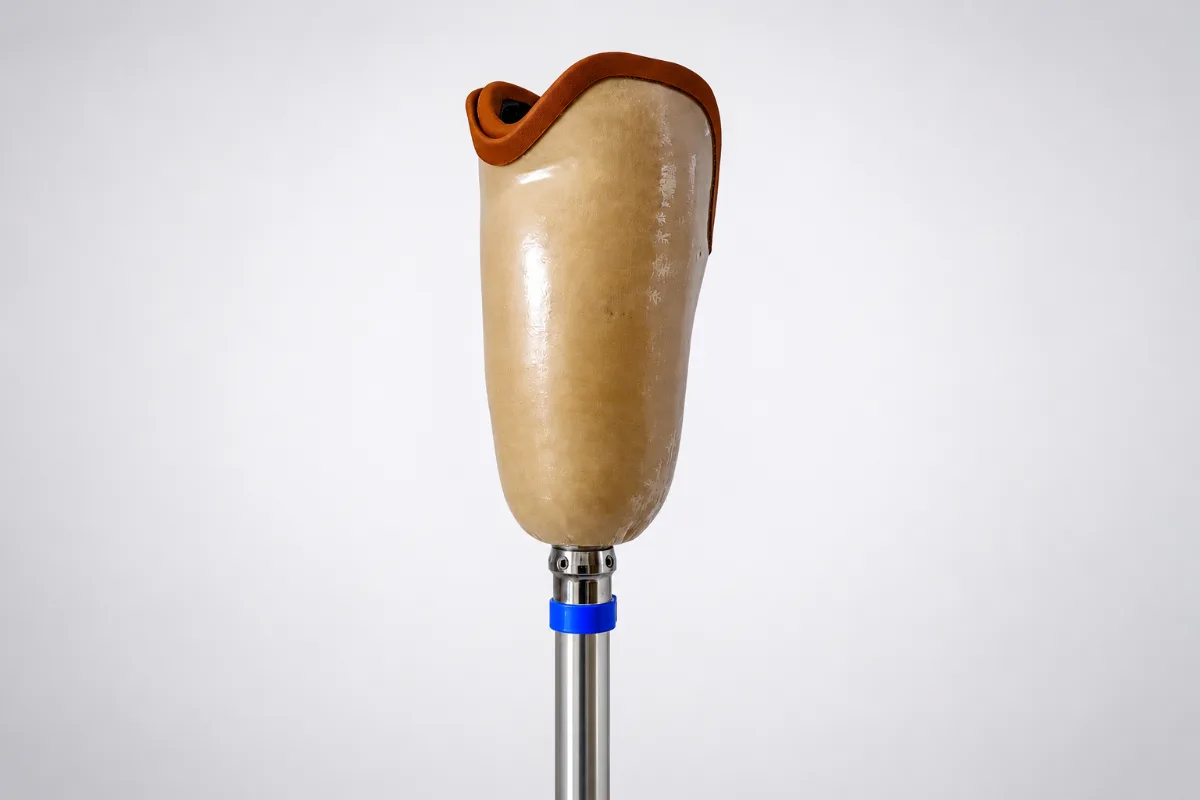
Socket is a part of the prosthetic leg that is directly related to the residual limb after amputation. The suitability of the socket is very important because it affects comfort, pressure distribution, and stability when used.
Each user has a different limb shape, skin condition, and needs. Therefore, the process of measuring, manufacturing, and adjusting the socket becomes an important part in the provision of the prosthetic leg.
4. User Needs and Activity Levels
The needs of someone who uses a prosthetic leg for daily activities can be different from someone who needs higher mobility to work or perform certain physical activities.
The difference in needs can affect the selection of the knee joint, the sole of the foot, and other supporting components. Therefore, the selection of the device should be based on the real needs of the user, not just the price or popularity of a product.
How to Choose the Right Fake Leg?
Before making a choice, there are a few things to keep in mind.
Identify your activity needs. Consider the most frequent activities, such as walking indoors, working, using transportation, or going outdoors.
Prioritize comfort and fit. The prosthetic leg needs to be adjusted to the user's body condition. Discomfort, excessive pressure, or instability should be evaluated by a professional.
Understand the function of each component. Don't just look at the name, brand, or technology on offer. Learn how they work and whether they fit your needs.
Consider long-term treatment and evaluation. The prosthetic leg requires treatment as well as periodic check-ups. Changes in body conditions and usage patterns can make adjustments necessary over time.
Consult a professional. Evaluation by competent personnel in the field of prosthetics and orthotics can help determine the choice of devices that are suitable for physical conditions and rehabilitation goals.
So, Are Expensive Fake Legs Always Better?
There is no one type of prosthetic leg that is ideal for everyone. Components with high technology can provide certain benefits, but those benefits still depend on the needs and conditions of their users.
For example, someone who needs support for daily activities may have different considerations than someone who needs additional features to support higher mobility. Both can require different combinations of components for their function and comfort to be appropriate.
Therefore, choosing a prosthetic leg is not just about finding the highest-priced product, but finding the right solution based on the user's needs.
Find a Prosthetic Option That Suits Your Needs
Ibrahim Medical, under PT. Ibrahim Rehabilitation Services, presents information on a wide selection of prosthetic products and their components, including knee joints and prosthetic foot soles.
By understanding the function and characteristics of each component, users and families can get a better picture before making a choice. The final selection should still consider the evaluation and recommendation of competent professionals.
Still confused about choosing a prosthetic leg? Explore Ibrahim Medical prosthetic products and get information on components that can be considered to suit your needs.
Resources
1. World Health Organization (WHO). Standards for Prosthetics and Orthotics.
https://www.who.int/publications/i/item/9789241512480
2. World Health Organization (WHO). Prosthetics and Orthotics Services.
https://www.who.int/teams/health-product-policy-and-standards/assistive-and-medical-technology/assistive-technology/prosthetics-and-orthotics-services