Modern Prosthetic Legs: The Factors That Determine User Comfort and Function
6 Agustus 2026·Ibrahim Medical4 menit baca
Modern Prosthetic Legs: The Factors That Determine User Comfort and Function
For amputees, using a prosthetic leg isn't just about replacing a missing limb — it's also about restoring mobility, balance, and independence in daily activities. As prosthetic technology advances, prosthetic legs are now designed to be more comfortable, lighter, and adaptable to each individual's needs.
However, many people assume that the quality of a prosthetic leg is determined solely by its price or how advanced its components are. In practice, prosthetic success is actually influenced more by the evaluation process, precision manufacturing, and adjustment to the user's condition.
The Socket: The Foundation of Prosthetic Comfort
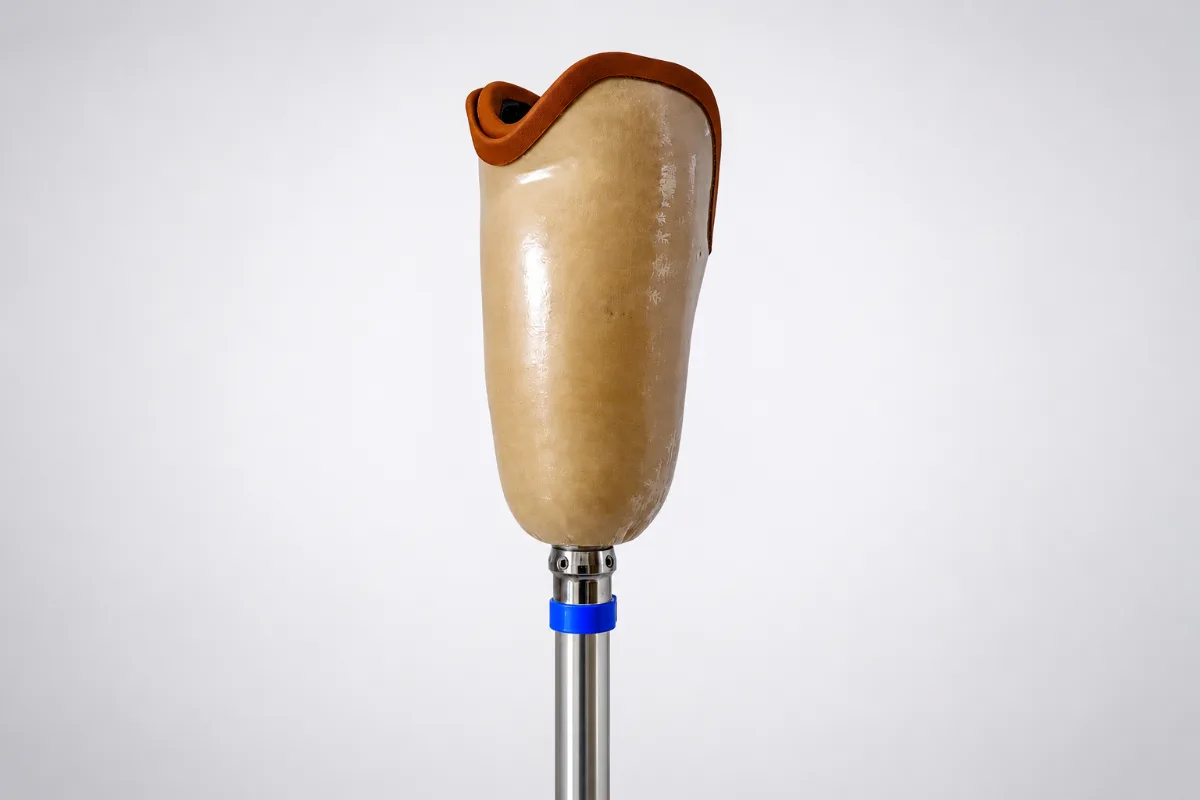
The socket is the part of the prosthetic leg that comes into direct contact with the residual limb. This component acts as the connector between the user's body and the entire prosthetic system, making its role extremely important.
A socket that's made too loose can cause the prosthetic leg to shift while walking. Conversely, a socket that's too tight can put excessive pressure on the skin and tissue, causing discomfort, blisters, or pain.
That's why every socket needs to be made individually based on the shape of the residual limb, skin condition, soft tissue, body weight, and the user's activity level. This approach helps create a prosthesis that is more stable and comfortable to use over the long term.
Component Selection Must Match the User's Needs
Every user has different needs. Someone who is mostly active at home will naturally require different prosthetic specifications than a field worker or a user with a high level of mobility.
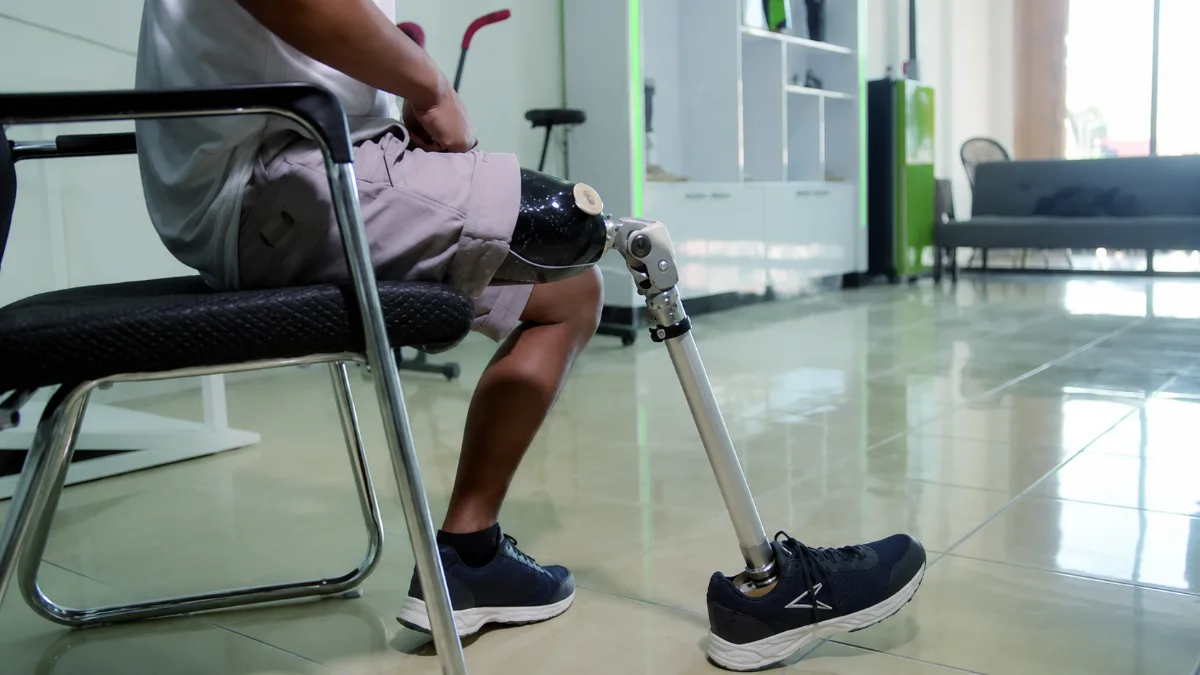
Some components that can be customized include the type of prosthetic foot, the suspension system, the liner, and the knee joint for above-knee amputations. The main goal of component selection isn't to use the most advanced technology available, but to choose the component that best fits the user's needs, activity level, and physical condition.
With the right component selection, users can walk more efficiently, reduce fatigue, and achieve better balance.
Alignment Plays a Role in Gait Pattern
Besides the socket, another important factor is alignment — the positioning of each prosthetic leg component so the body remains balanced while standing and walking.
Improper alignment can cause an asymmetrical gait, make the body tire more easily, and lead to complaints in the knee, hips, or back due to changes in weight distribution.
That's why, once a prosthesis is finished, the prosthetist will typically perform a fitting and gradual adjustment process. Users will also be asked to try walking so the position of each component can be adjusted until optimal comfort and stability are achieved.
Adaptation Requires Patience
Using a prosthetic leg is a process that takes time. In the early stages of use, some users may still notice changes in their gait pattern or need training to get accustomed to it.
During the adaptation process, walking practice together with a rehabilitation professional or following the prosthetist's guidance is very helpful for improving balance, coordination, and confidence. Users also need to pay attention to the condition of the skin on the residual limb to ensure there are no signs of irritation or excessive pressure.
The more consistently training is done, the better the ability to use the prosthetic leg generally becomes.
The Importance of Regular Check-ups and Maintenance
The condition of the residual limb can change over time, whether due to changes in body weight, activity level, or the healing process. These changes can affect comfort when using the prosthetic leg.
That's why regular check-ups are highly recommended, so the prosthetist can evaluate whether the socket is still suitable or needs adjustment. In addition, all prosthetic components also need to be checked to ensure they continue to function properly and safely.
Users are also advised to keep the socket, liner, and the skin of the residual limb clean every day to reduce the risk of irritation or infection.
Conclusion
The success of using a prosthetic leg is determined not only by the quality of its components, but also by the evaluation process, precise socket fabrication, appropriate component selection, and adjustments made during the adaptation period. With the right approach, a prosthetic leg can help amputees return to their activities more comfortably, stably, and confidently.
At Ibrahim Medical, every prosthesis is made individually based on each patient's condition and needs. From consultation, measurement, and fabrication, to fitting and regular evaluation — every step is carried out to deliver optimal results so users can return to their daily activities more independently.
References
1. World Health Organization (WHO). WHO Standards for Prosthetics and Orthotics. https://www.who.int/publications/i/item/9789241512480
2. International Society for Prosthetics and Orthotics (ISPO). Prosthetics and Orthotics Standards. https://www.ispoint.org
3. American Academy of Orthotists and Prosthetists (AAOP). Clinical Practice Resources. https://www.oandp.org